SLEEP
Time it right
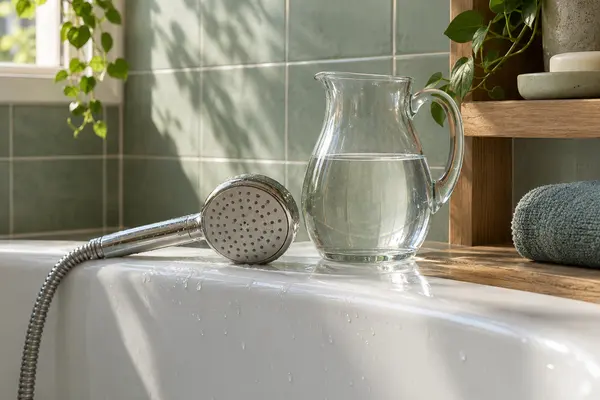
A warm bath or shower one to two hours before bed was linked to falling asleep about 10 minutes faster.
See the review
THE EVERYDAY BATH, EXPLAINED
WARM not scalding
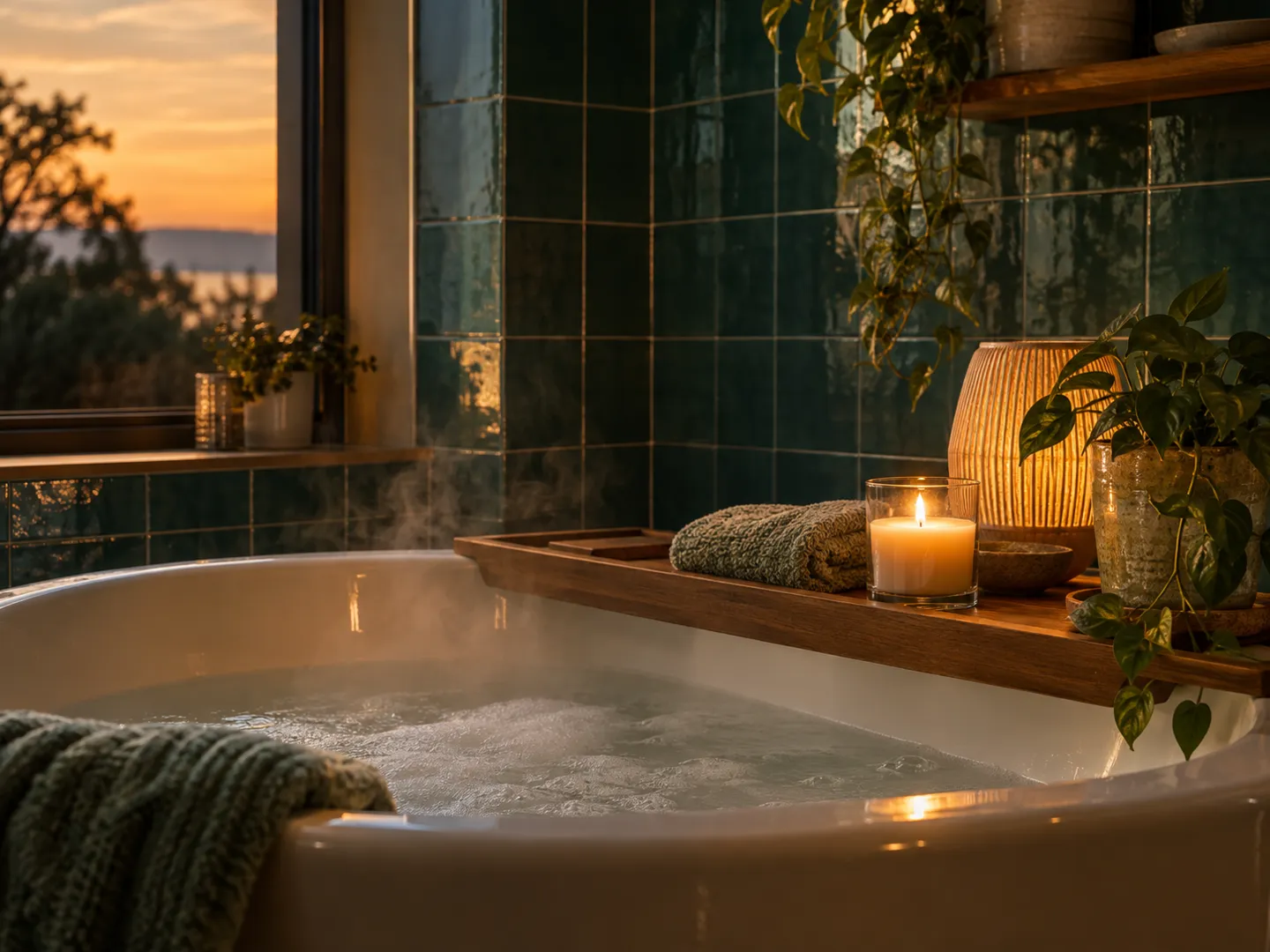
AI-generated image, not a photograph of a real person or place.
A bath is ordinary. The science around it is not.
When a warm soak helps you fall asleep, how many litres it really takes, and why the hot water in your home is kept hotter than you would ever bathe in. Here is what the research and the rules say, in plain English.
Plain English, with the sources linked.
THE SHORT ANSWER
Three findings worth knowing
before you run the taps tonight.
SLEEP
A warm bath or shower one to two hours before bed was linked to falling asleep about 10 minutes faster.
See the reviewWATER
A bath takes about 80 litres. A five-minute shower takes 35, but a power shower can take more than the bath.
Compare themHEAT
Stored hot enough to control bacteria, delivered cool enough not to scald: the rules set both numbers.
Read the numbers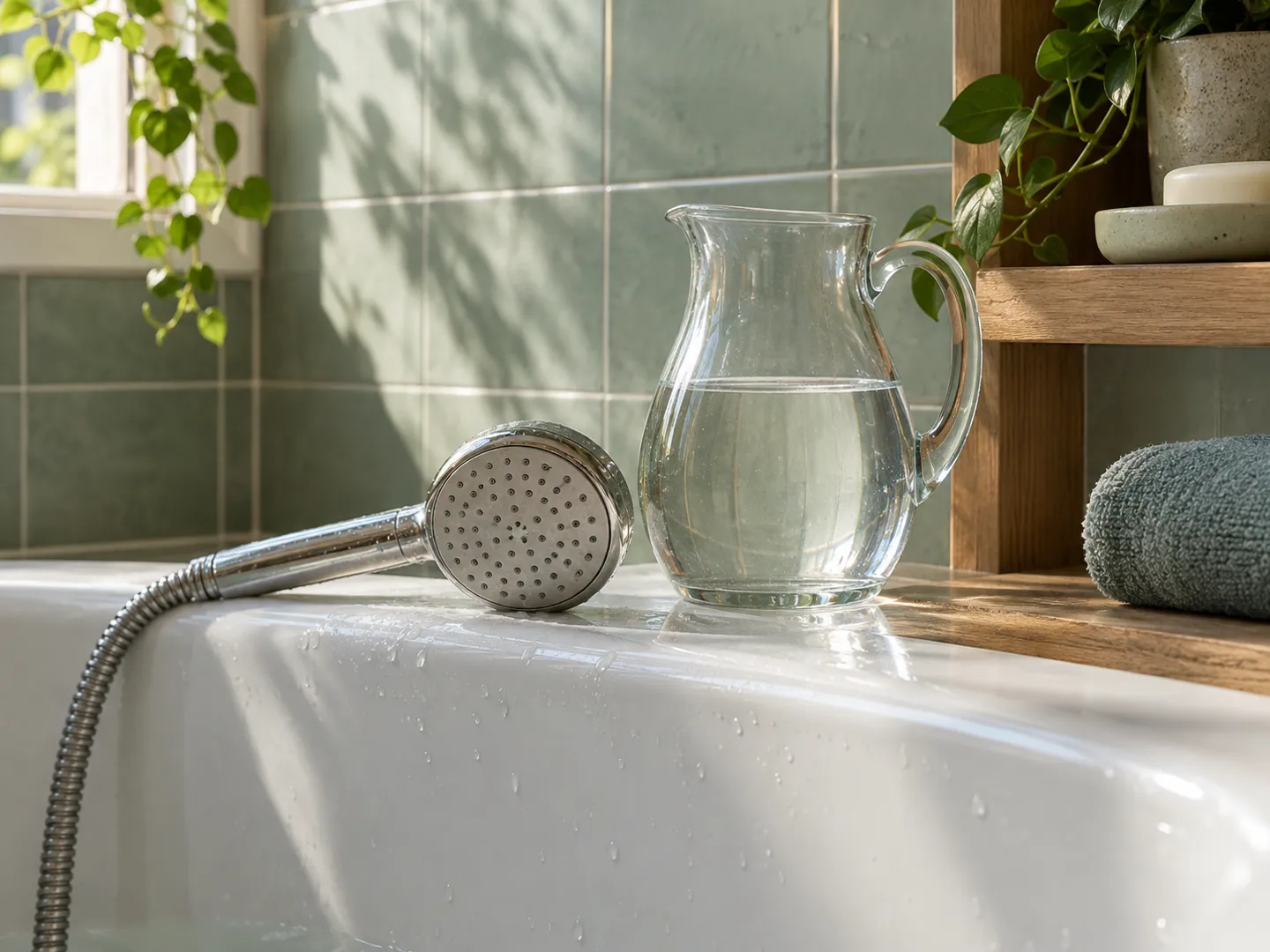
TONIGHT'S SOAK
The sleep review found the benefit with bathing one to two hours before bed, with about 90 minutes the best timing.
The studies looked at water around 40 to 43°C. The HSE notes a scalding risk from tap water above 44°C.
The review covered warm showers as well as baths, and a five-minute standard shower uses less than half the water of a bath.
Five minutes under a power shower is about 90 litres, more than a typical 80-litre bath.
TWO NUMBERS WORTH KNOWING
One finding about timing,
one about the water itself.
10 minutes
Faster to fall asleep
Researchers at the University of Texas at Austin screened 5,322 studies. Warm-water bathing one to two hours before bedtime was linked to falling asleep about 10 minutes faster on average, and to better sleep quality.
SLEEP · 2019 REVIEW
80 vs 35 L
Bath against a five-minute shower
NI Water puts a bath at 80 litres and a five-minute standard shower at 35. A five-minute power shower, at about 90 litres, overtakes the bath.
WATER · HOME AUDIT
The timing matters because of body temperature. Warm water draws heat to the hands and feet, and the body then cools; the researchers found about 90 minutes before bed was the best moment for that drop.
A QUICK WATER CHECK
Pick how you usually wash. The figures come from NI Water’s home water audit, which compares a bath with five minutes under a standard shower and a power shower.
Real use varies with the size of the bath, how full you run it, and the flow of your shower. These are typical figures, not measurements of your home.
BATH FACTS
The 2019 University of Texas review, published in Sleep Medicine Reviews, screened 5,322 studies to work out how bathing before bed relates to sleep.
The review linked water of about 104 to 109°F, roughly 40 to 43°C, with better overall sleep quality.
Building Regulations guidance for England requires that hot water delivered to the bath in a newly built home does not exceed 48°C.
The Health and Safety Executive says hot water should be stored at 60°C or above to control Legionella, and notes a scalding risk from taps above 44°C.
Around 1.3 million litres of mineral-rich water rise in Bath every day. The Roman Baths give the sacred spring’s temperature as 46°C.
QUICK QUESTIONS
Short answers to the questions people ask most.
A 2019 review led by researchers at the University of Texas at Austin found that bathing or showering in warm water one to two hours before bedtime was linked to better sleep, and people fell asleep about 10 minutes faster on average.
The review linked water of about 104 to 109°F, roughly 40 to 43°C, with better overall sleep quality. The researchers found that about 90 minutes before bed was the best timing for the drop in core body temperature that helps sleep.
Usually, yes. NI Water’s home water audit puts a bath at 80 litres and a five-minute standard shower at 35 litres. A five-minute power shower, though, uses about 90 litres, which is more than the bath.
The Health and Safety Executive says hot water should be stored at 60°C or above to control Legionella bacteria, and should reach 50°C at the outlets within a minute. It also notes a risk of scalding when water comes out of taps above 44°C.
The Roman Baths say the sacred spring water is 46°C. Bath and North East Somerset Council says around 1.3 million litres of mineral-rich water rise in the city each day, thought to fall as rain on the nearby Mendip Hills.
Each figure on this page comes from the sources below.
A NAME THAT MAKES A SPLASH
doodlebath.com is part of the DoodleSale portfolio. It isn't in an auction right now, but you can ask about leasing it.